
Petersham Sydney: Suburb Guide, Property Prices & Investment Outlook

Petersham Sydney: Suburb Guide, Property Prices & Investment Outlook | Unicorn Buyers Agents

Petersham is Sydney's Little Portugal, and one of the Inner West's most tightly-held suburbs. Just 6 kilometres southwest of the Sydney CBD, postcode 2049, it sits between Stanmore, Lewisham, Leichhardt, and Marrickville — heritage-rich, culturally distinct, and genuinely characterful. While neighbouring suburbs like Newtown and Marrickville get the attention, Petersham has been quietly delivering solid capital growth, attracting families and owner-occupiers who value heritage architecture, excellent schools, and a genuine community feel.


Here's the reality: there were only 65-68 house sales in Petersham in the past 12 months. Properties spend an average of 38-40 days on market, and when good heritage terraces come up, they move quickly — often before they reach the portals. The median house price is now around $2.19-2.32 million, with annual growth of 6.0-6.7%. This isn't a fast-flip suburb. It's a long-term hold for people who value Portuguese custard tarts, Victorian streetscapes, and walking distance to Fort Street High School.


A Suburb With History (and Character)


Petersham's name comes from Major Francis Grose, who arrived in the colony in 1792 and named the area after his native village in Surrey, England. By 1793, convicts were clearing the bush to plant corn and wheat, and Petersham remained an agricultural area for decades. Dr Robert Wardell purchased land from many grantees in the district, and by 1831 his estate stretched 8 kilometres from Petersham to the Cooks River. Following his murder in 1834, the estate was subdivided.


The train line from Sydney to Parramatta opened in 1855, and trains stopped in Petersham from 1857. By the late 1800s and early 1900s, wealthy families moved to Petersham to escape the crowded inner city, building grand Victorian and Federation mansions — many of which remain today, meticulously preserved and concentrated around Petersham Park.


But what really defines Petersham today is its Portuguese community. The Portuguese began moving into the area from Paddington and Darlinghurst in the 1970s, followed by Portuguese community organisations and businesses. Today, Petersham hosts around 10,000 Portuguese residents — representing around 40% of Sydney's total Portuguese population — and the suburb is home to Sweet Belem (Sydney's most famous Portuguese custard tarts), Silva's and Frango's (flame-grilled chicken), Charlie's Deli (bacalhau, tinned sardines, and Portuguese groceries), and the annual Bairro Português Festival, Australia's largest Portuguese festival.


The Numbers: What Property Costs (and What It's Done)


  • Median house price: ~$2.19-2.32 million
  • Annual house price growth (12 months): ~6.0-6.7% (CoreLogic / PropertyValue, 2025)
  • Median unit price: ~$860,000
  • Median weekly rent (houses): ~$850-$1,083 pw
  • Median weekly rent (units): ~$650 pw
  • House rental yield: ~2.43-2.52%
  • Unit rental yield: ~3.97%
  • Population (2021): ~8,200
  • Population growth (2016-2021): 1.0%
  • Distance to CBD: ~6 km
  • Suburb size: ~1.3 km²

Houses in Petersham are genuinely scarce. There were only 65-68 house sales in the past 12 months across the entire suburb, and properties spend an average of 38-40 days on market. When supply is this constrained and homes are this tightly held, even modest buyer demand keeps prices rising. The median house price has grown 6.0-6.7% annually — solid, steady, and above Sydney's broader market average of around 4%.


The unit market is more abundant, with around 89 sales in the past 12 months, and has delivered strong growth of 7.5% annually. For investors focused on yield, units in Petersham are delivering around 3.97%, and weekly rents sit at approximately $650.


Living Here: What Petersham Actually Feels Like


Little Portugal: New Canterbury Road and Audley Street


Petersham's heart is New Canterbury Road — a strip of Portuguese bakeries, chicken shops, delis, and restaurants that draws Sydneysiders from across the city on weekends. On a Saturday morning, you'll find queues snaking out the door of Sweet Belem for freshly-baked pastéis de nata (Portuguese custard tarts), families picking up flame-grilled chicken from Silva's or Frango's (the eternal battle for best chicken rages on), and locals stocking up on bacalhau, tinned sardines, and piri piri sauce at Charlie's Deli.


This isn't a gentrified cafe strip trying to be trendy. It's a genuine Portuguese neighbourhood where people speak Portuguese in the shops, where the Bairro Português Festival fills the streets with music and food every March, and where you can buy traditional Portuguese bread, chouriço, and pastel de Belém just like you would in Lisbon. It's one of the most culturally distinct pockets of Sydney, and it's not going anywhere.


The Pub Scene: Oxford Tavern and The Public House


Beyond the Portuguese precinct, Petersham has quietly developed a solid pub and cafe scene. The Oxford Tavern, a former topless bar, received a hip makeover and now serves wood-fired pizzas, craft beer, and their famous Jelly Wrestle dessert (a syrupy, ice-creamy, sprinkly waffle concoction so decadent you eat it with your hands while wearing rubber gloves). The Public House on New Canterbury Road offers pinball machines, pool tables, a big back patio, and a rotating craft beer menu. Daisy's Milkbar on Stanmore Road is a 1950s retro throwback with thick shakes, meatball sambos, and pastel decor.


Petersham is quieter than neighbouring Newtown and Marrickville, but it's walkable to both, as well as to Leichhardt's Norton Street. You get village living without the isolation, and heritage charm without the Eastern Suburbs price tag.


The Streets: Heritage, Trees, and Space


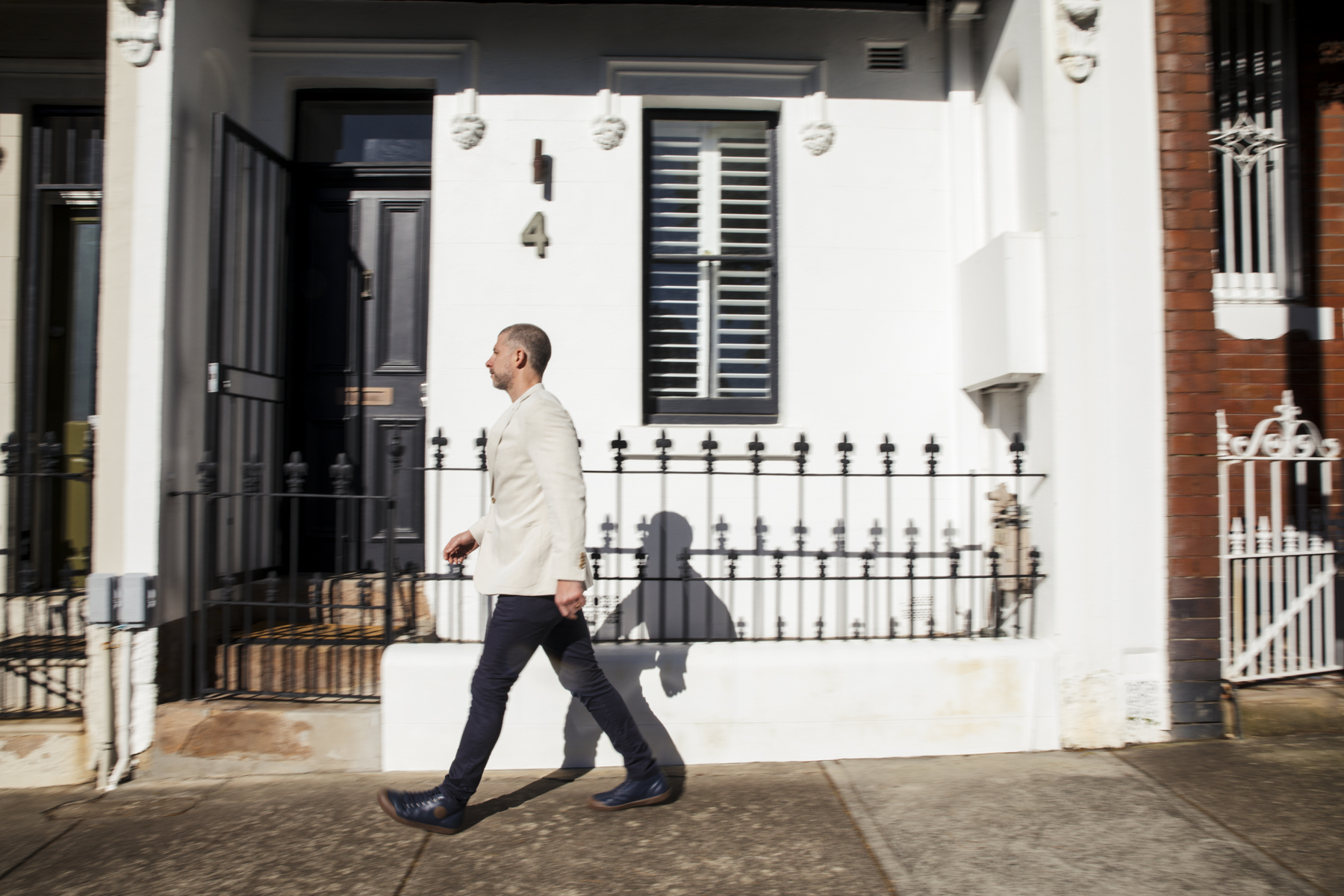
Petersham's residential streets are lined with Victorian and Federation-era terrace houses, many in their original condition — which is unusual for a suburb so close to the city. Some grand Edwardian and Victorian mansions remain concentrated around Petersham Park, including several heritage-listed properties. The streets are wide, tree-lined, and genuinely lovely. This is the kind of suburb where neighbours know each other, kids walk to school, and people take evening strolls to Petersham Park or along the heritage-listed 1883 iron pedestrian bridge at the railway station.


For Families: Fort Street High School and Petersham Park


Petersham is a family suburb with one of the best drawcards in Sydney: Fort Street High School, located on Parramatta Road. Fort Street is the oldest selective high school in New South Wales, with 934 students and a reputation as one of Sydney's top academically selective schools. For families targeting selective education, Fort Street alone makes Petersham worth considering — and it's walkable from most parts of the suburb.


For primary education, Petersham Public School sits on the Petersham and Lewisham borders, with its original 1878 building listed on the Register of the National Estate. Taverners Hill Public School on Elswick Street is an infants-only school. Families also have easy access to Sydney Boys High, Sydney Girls High, and Sydney Technical High School via public transport.


For weekend recreation, Petersham Park is a local landmark — home to a historic cricket oval where Don Bradman scored his first-grade century as an 18-year-old. The park hosts regular community events, markets, and picnics, and the area around the park is where you'll find Petersham's most impressive heritage mansions.


Petersham is the kind of suburb where families settle in for the long term. School runs are walkable, weekends are spent at cafes and parks, and the sense of community is genuine. It's not flashy, but it works.


Why Petersham Works (and Where It's Headed)


Petersham's investment case is built on scarcity, heritage, and lifestyle. The suburb delivered 6.0-6.7% annual house price growth over the past 12 months, which is above Sydney's broader market average of around 4%. But the real story isn't just the capital growth — it's the fundamentals.


First, the supply constraint is real. Only 65-68 house sales in the past 12 months across a suburb of 1.3 square kilometres means good homes rarely come to market. When they do, they move quickly (38-40 days on market), and vendors aren't discounting heavily (vendor discounting sits at around -5.8%).


Second, the housing stock is tightly held by long-term owner-occupiers, not investors. The population has been essentially flat (growing just 1.0% between 2016 and 2021), which suggests people are staying, not flipping. This creates a stable, community-oriented environment that appeals to families and professionals who want to put down roots.


Third, the heritage character and Portuguese cultural identity are irreplaceable. You can't build more Victorian terraces or create a Portuguese neighbourhood from scratch. The supply is fixed, and the cultural appeal is enduring. Suburbs like this — close to the city, culturally distinct, tightly held — tend to hold value over the long term.


Fourth, the proximity to Fort Street High School is a genuine competitive advantage. Selective high school catchments drive property prices across Sydney, and Petersham offers walkable access to one of the state's oldest and most respected selective schools. For families prioritising education, that's a major drawcard.


Finally, the suburb is part of the broader Marrickville-Sydenham-Petersham SA3 region, which came in at #2 in recent property research rankings, boasting a median value of $1.98 million and annual growth of 8.5%. Petersham is benefiting from the gentrification and infrastructure investment flowing into the broader Inner West corridor, without losing its own distinct character.


What Buyers Need to Know


Petersham is not a high-turnover suburb. With only 65-68 house sales in the past 12 months and properties spending an average of 38-40 days on market, the window to buy is narrow. Many of the best homes trade off-market or within local agent networks before they reach Domain or realestate.com.au. If you're attempting to buy here by monitoring the portals, you're likely to miss the best opportunities.


For heritage homes — which dominate the market — due diligence is critical. Building inspections need to be thorough (rising damp, original plumbing, asbestos, structural issues in Victorian terraces), and buyers should understand council restrictions on alterations and renovations to heritage-listed properties. Not every Victorian terrace is a good buy. Some have been poorly renovated or neglected, and the gap between a well-maintained home and a money pit can be significant.


For units, the market is more accessible but the quality varies. Some apartment buildings are solid, others are investor-grade stock with high strata levies and deferred maintenance. Buyers need to scrutinise strata records, sinking fund balances, and building reports before committing.


As with any Inner West suburb, investor buyers need to be precise. The house market in Petersham is an owner-occupier play with low yields (2.43-2.52%) and solid growth. The unit market offers better yields (3.97%) but requires careful selection to avoid problem buildings.


Thinking About Buying in Petersham Suburb?

Unicorn Buyers Agents specialises in Sydney’s Inner City, Eastern Suburbs, and Inner West — including Petersham and the Marrickville–Leichhardt pocket. If you’re serious about buying here, let’s talk before the right property slips past you.
 
Book a call here or click the ‘Homebuyer’ or ‘Investor’ button below to send a form enquiry. Takes 2 mins and we will respond within 24 hours.

Frequently Asked Questions: Buying Property in Petersham, Sydney


What is the median house price in Petersham Sydney?

As of late 2025, the median house price in Petersham is approximately $2.19-2.32 million, with annual price growth of around 6.0-6.7% over the past 12 months (CoreLogic / PropertyValue data). The median unit price sits at approximately $860,000.


Is Petersham a good suburb to invest in?

Petersham is a characterful Inner West suburb just 6km from the Sydney CBD, delivering solid house price growth of 6.0-6.7% annually. The suburb's strengths are its heritage housing stock (Victorian and Federation terraces), Portuguese cultural identity, excellent schools (including Fort Street High School, the oldest selective school in NSW), and tight supply (only 65-68 house sales in the past 12 months). Properties spend an average of 38-40 days on market. It's a lifestyle-first buy with moderate capital growth and low yields (2.43-2.52% for houses).


How far is Petersham from the Sydney CBD?

Petersham is approximately 6 kilometres southwest of the Sydney CBD. Petersham Railway Station is on the Inner West & Leppington Line, with direct trains to the City Circle, Central, and beyond. Multiple bus routes also connect the suburb to the city, Newtown, Marrickville, and surrounding areas.


What is the rental yield in Petersham?

Rental yields in Petersham vary by property type. Houses currently yield around 2.43-2.52% with a median weekly rent of approximately $850-$1,083. Units yield around 3.97% at a median weekly rent of $650. Yields are lower than Sydney's broader market, reflecting Petersham's positioning as a tightly-held, heritage-rich owner-occupier suburb.


What are the best things about living in Petersham?

Petersham is best known as Sydney's 'Little Portugal' — home to Sweet Belem (famous Portuguese custard tarts), Silva's and Frango's (flame-grilled chicken), Charlie's Deli (Portuguese tinned fish and bacalhau), and the annual Bairro Português Festival. The suburb offers heritage Victorian and Federation terraces, excellent schools (Fort Street High School, Petersham Public School), Petersham Park (where Don Bradman scored his first-grade century), and a genuine village feel. It's quieter than Newtown and Marrickville, but walkable to both, and just 6km from the CBD.


What type of properties are available in Petersham?

Petersham is dominated by Victorian and Federation-era terrace houses, many in their original condition — unusual for a suburb so close to the city. Some grand Edwardian and Victorian mansions remain concentrated around Petersham Park. There is also a smaller unit and apartment market. The housing stock is tightly held, with only 65-68 house sales and 89 unit sales in the past 12 months.


What schools are in Petersham?

Petersham is home to Fort Street High School on Parramatta Road — the oldest selective high school in New South Wales with 934 students. Petersham Public School sits on the Petersham and Lewisham borders, with its original 1878 building listed on the Register of the National Estate. Taverners Hill Public School on Elswick Street is an infants-only school. The suburb also has easy access to Sydney Boys High, Sydney Girls High, and Sydney Technical High School via public transport.


Do I need a buyers agent to buy in Petersham?

Petersham is a tightly-held suburb with only 65-68 house sales in the past 12 months and properties spending an average of 38-40 days on market. Many heritage homes trade off-market or within local agent networks before reaching the portals. A buyers agent with Inner West relationships can access these opportunities early, assess heritage property issues (rising damp, asbestos, council restrictions on alterations), and negotiate from a position of genuine local knowledge.

Share this post
Scroll to Top

12 popular buyers agent questions answered 


When it comes to buying a property, many people assume that they can navigate the process on their own. However, purchasing a home or an investment property is often a complex and time-consuming process that requires expert knowledge and guidance. This is where a buyers agent can be incredibly valuable. A buyers agent is a licensed real estate professional who specializes in representing the interests of homebuyers. 


In this article, we will explore what a buyer’s agent is and the benefits they offer, as well as when it is appropriate to engage their services. Whether you’re a first-time buyer or a seasoned investor, understanding the role of a buyer’s agent can make all the difference in finding your dream property.


What You’ll Learn From This Article


  1. What is a buyers agent? 
  2. What’s the difference between a real estate agent and a buyers agent?
  3. How much do buyers agents charge?
  4. Are buyers agents worth it?
  5. How much will it cost me not to use a buyer’s agent?
  6. Do i need a buyers agent in today’s market?
  7. How to choose a buyers agent?
  8. What questions should i ask a buyer’s agent before hiring them?
  9. Can you claim buyer’s agent fees on tax?
  10. Can a property seller contact the buyer agent directly?
  11. Do i have to sign a buyer agent agreement?
  12. Can you have multiple buyers agents?


What is a buyers agent?

A buyer’s agent is a fully licensed property agent who works on behalf of a homebuyer or property investor in a real estate transaction. The primary responsibility of a buyer’s agent is to help their client find and purchase a home that meets their specific needs and budget.


Buyer’s agents work exclusively with buyers and are therefore focused on helping buyers navigate the complex and sometimes overwhelming process of purchasing a home. They typically have extensive knowledge of a local real estate market and relationships with a network of selling agents in that area.  


Buyer agents offer purchasers transparency and clarity around price and market value by researching comparable sales transactions and will drive the due diligence and research process to mitigate the risk of a purchased property causing problems or stress to its new owner in the future. 


The way a property is marketed, negotiated, and sold depends on many factors including demand for that property type, the expectations of the vendor, and the particular style of the sales agent. Every transaction is unique and a buyers agent’s experience navigating the many variations of the sales process and the legal and financial requirements involved can undoubtedly give a purchaser an advantage.


Another of the key benefits of working with a buyer’s agent is that they can provide objective advice and representation throughout the home buying process which may otherwise become an emotional decision. 


Because they work solely on behalf of the buyer, they can help their clients make informed decisions without being influenced by any other parties involved in the transaction. Additionally, many buyer’s agents will deploy methods and resources that can help buyers find and evaluate the right property more efficiently than they might be able to on their own. This includes accessing properties not listed for sale by traditional means (off-market or silent listings). 

What’s the difference between a real estate agent and a buyers agent?

Buying and selling real estate can be complicated. That’s where buyers agents and real estate agents come in. A real estate agent is a professional who sells properties. Who does a real estate agent represent? The seller. Real estate agents are paid through commission from either the seller or the vendor. A buyer’s agent, exclusively represents the buyer. They act in the buyer’s best interest and help them through the process of securing the property they want.


How much do buyers agents charge?

Many buyer’s agents charge for service like a real estate sales agent ie, a percentage commission. This can make sense if you’re selling a property as the sales agent is incentivised to achieve a higher sales price. Paying more commission to your buyers agent the more you pay for your property can make less sense for buyers In hotter market years such as during 2020- 2021, Unicorn Buyers Agents offered fixed fees, to protect our clients.


In neutral or cooler years we offer a percentage-based fee capped at a pre-agreed rate. This way our buyers may benefit from a lower-than-expected commission whilst also having the peace of mind of knowing the maximum they’ll pay. 

For maximum flexibility and transparency, we offer clients the choice to lock in a fixed fee or to hire us on a percentage-based fee capped at a pre-agreed amount.


Are buyers agents worth it?

In Australia until recently the use of a professional buyers agent to undertake one’s search and property purchase was uncommon.


Sydney house hunters have long been resigned to the stresses of endless weekend inspections and annoying agent phone calls, not to mention having to negotiate with seasoned professionals trained in the art of extracting the highest possible price for their client- the seller. 


In the last few years however Australians are increasingly following the trend of their US counterparts to engage a buyers agent to find, negotiate and secure residential owner-occupied and investment property. Why?


 The competition for the best property in the most desirable suburbs has intensified, with a significant percentage invisible to the average house hunter. Property prices have spiked- and so has the cost of making a mistake. And we have increasingly become time-poor professionals who realise the value in deploying another professional to do what they do best.


Hiring a buyers agent does make sense but what can you expect for your money, and how will you assess the value of your buyers agent’s services?


A good buyer’s agent in Sydney will understand your brief in detail, then tailor their services and fees to your exact needs. This may be as simple as attending an auction to bid on your behalf, or appraising a property you have found, or conducting the entire search campaign all the way from day one to contract settlement.


  • ‘Bid at auction’ gets you a hired gun as your proxy on the big day. They will bid, deploying one of many strategies they have available, which they believe is best on the day to secure the property for you for the lowest price possible whilst taking into consideration other bidders, and the auctioneers style.
  • An appraisal and negotiate service will see a buyers agent provide you with a professional opinion on the market value and likely selling price of a property you have found, based on recent comparable sales, market momentum, and level of interest in that particular property. The agent will then deploy their negotiation expertise and relationships to negotiate a purchase by private treaty.
  • A complete search really should be just that. The best buyers agents will go beyond public listings to use real estate agent outreach, professional research tools, community networking , door knocking and letterbox drops to source and shortlist potential properties. 

Dozens of physical inspections will follow, accompanied by detailed research to validate the properties have no issues and can be secured within your budget. They will have a team of professionals including building inspector, engineer, solicitor, builder, handyman and property manager- to do all the heavy lifting, and will coordinate them all on your behalf. They’ll deal with selling agents, so you don’t have to. And they’ll package up a shortlist of desirable options to make your decisions. easier.


 A top buyers agent will show you the property that ticks your boxes, and sometimes that may be unconventional- but a buyers agent will also show you how an easy low-cost renovation can leave you with the property you dreamed of.


 An expert buyers agent will be your voice of reason- guiding you to avoid psychological pitfalls like analysis paralysis, FOMO, buyers remorse, and more.


 Finally, a good buyers agent will ensure you pay the right price, the lowest price possible given market conditions. 


How much will it cost me not to use a buyer’s agent?

I talk to buyers every day and a comment I often hear is “I’d love to use a buyers agent to find my property but I really can’t afford it because I need to put every dollar toward my purchase”.


I put one to three on-market and off-market property matches in front of my clients every week. These properties are within budget, they have been physically inspected and researched to make sure they’re problem free. 


I know how the sales agent will run the campaign and by deal time I’ll know the minimum price that needs to be paid to secure the property. This saves my clients thousands of dollars of search time  and many thousands more by not overpaying. I’ll also buy a better house on a better street which means tens, or hundreds of thousands of dollars more in your pocket. 


How? Let’s assume you manage to buy without overpaying and you’ve chosen a good suburb, street, and property type that grows in value at say 4% a year for the next decade.


 Now let’s assume I could buy you a slightly better property that grows in value at a slightly better 5% for the next decade. That 1% extra on a $2m property means my purchase will be worth $200k more than yours in ten years time. Not using a good buyers agent will cost you money.


Do i need a buyers agent in today’s market?

In a seller’s market with FOMO running high it seems easier to understand the value proposition for a buyers agent.

But great buyer agent work is just as critical in a cooler market. Here’s a few reasons why.

  1. Selling agents get much better at returning your calls in a tough market but they still have one thing top of mind – squeezing the highest possible price out of you. That’s their job. 
  2. We have the relationships with agents which helps us find opportunities in the form of off-market /silent listings by anxious and distressed owners. We also help bring things to market. Potential sellers are more likely to list when a buyers agent walks through the home during an appraisal. 
  3. We assess up to the minute market value. Sydney property prices are volatile. Price action varies suburb to suburb, street to street. Last nights’ sale resets todays suburb benchmark. On a $2M home purchase overpaying by 3% is a $60,000 mistake and buying at a 5% discount to market is a $100,000 win.
  4. Cooling markets are a minefield of second grade properties and unrealistic vendors. We shortlist, inspect and present only the best, most viable options saving you time money and stress. 

How to choose a buyers agent?

Hiring a buyer’s agent is a significant investment. Understanding how to prepare for the buying process and how to choose the right agent for your search will save you in every respect. Avoid the following mistakes and you’re well on the way to a profitable, and enjoyable buyer’s agent experience.


Mistake #1. Hiring an agent before your finance is approved.

Serious property hunting without the funds available is unproductive. You cant buy if you haven’t got the money! The first step of buyer preparation is to have your finance in place- preferably a fully assessed loan rather than just an approval in principle.


It’s certainly advisable to research your property market, write your brief, and get your buying team in place whilst arranging finance. However, the right time to put your buyer’s agent to work officially is when your finance is approved.


Mistake #2. Choosing a buyer’s agent without a buying team if you don’t have one of your own

A successful buying assault on a sought-after home or investment requires a crack team of experts; In addition to your buyer’s agent you’ll need a top broker and solicitor, and if the property is a renovation project, an architect, private certifier, a builder, or tradespeople, an engineer a  quantity surveyor as well. This group comprises your personal army, your buying team.


If you don’t have a team at hand make it a high priority to select a buyers agent who can bring one to the table. Hiring this agent means you’ll inherit their panel of experts who have worked together in the past. You’ll enjoy the advantage of ‘synergy’ when an experienced team works together with your buyer’s agent for a great result -all without you having to lift a finger.


Mistake #3 Not choosing a buyer’s agent who is completely independent and working for you

A buyer’s agent must be  100% working in your best interest.


This means they should not accept any type of incentive or remuneration that would affect their ability to give you independent advice.  A clear contravention of this principle would be a buyer’s agent accepting an incentive from a builder or developer for an introduction that leads to a sale. 


Standard agency agreements in all states generally make provision for an agent to disclose referral fees and commissions so you can understand whether there is a financial incentive involved with any of your buyers agents associations.


Mistake #4 Not choosing the buyer’s agent service that corresponds to your needs

Good buyers agents generally have three or four core offerings ranging from “Done For You” to appraisal, negotiation, and auction attendance. Choosing the appropriate service will require you to be realistic about your own property skillset and the time you can allocate to your house hunting.


 If you have the network, resources, and experience to access suitable properties then an ‘appraise and negotiate’ or ‘bid at auction’ service may really be all you need.


Be aware that although you think you can do the job using just these services, you can’t buy what you can’t see and this approach may cost you more time and money in the long run. 


Mistake #5 Not choosing a buyer’s agent who specializes in your desired area

An agent that works (and lives and plays) in the suburbs you are searching within is tuned into the important details that can affect a successful purchase. A formal appraisal or valuation is no comparison to the local knowledge of a seasoned area specialist. Bad neighbours, upcoming poor development, problematic executive committees..a local specialist will be aware and steer you clear of troublesome issues that are not apparent to an outsider.


Mistake #6 Not paying the right price for the service you’re getting

Buyer’s agents’ pricing can vary widely, and with good reason. Any good agent will tailor the scope of works to your circumstance and most will agree on a fixed price that reflects the work involved. It is worthwhile to understand what that work entails.


 A detailed, particular brief for a property in a tightly held suburb should command a premium and what you’ll be paying for is the buyer’s agent’s network of local selling agents, business people, and community, as well as their less conventional methods of sourcing property.


More abundantly available property in a less salubrious suburb will see you paying a buyer more for their time conducting inspections and putting together the deal, or their analytical skills if it is an investment property.


Paying an entry-level agent an entry-level fee for a challenging brief will not give you an expert outcome.


Be as wary of ‘cheap’ fees as exorbitant fees. Take a moment to consider the difficulty of the task at hand and the time and expertise required.


Mistake #7 Not assessing the methods your buyer’s agent will use to find your ideal property

Good buyer’s agents will apply multiple resources to source property and it merits asking how your buyer’s agent operates. Key activities you should listen for include personal outreach to a selling agent network, extensive use of research tools such as RPData, and personal outreach to potential sellers, amongst others. Opportunities arise from contact with people and the best agents spend all day talking and researching.


Mistake #8 Not choosing an agent with auction experience if that’s the likely method of sale for your property

If the common method of sale for your future home or investment is via an auction then your buyer’s agent should have extensive bidding experience.


Auctions are volatile environments where the odds are stacked against the seller. There is plenty of room for error leading up to, and on the day and you will need an agent that, is calm, knows all the rules, and has multiple battle-tested bidding strategies. A well-chosen agent will often know the auctioneer and their calling style which can help.


It’s not considered rude to ask your prospective buyer’s agent about their auction experience, and their preferred bidding strategies.


Mistake #9 Not screening your agent for negotiating power

Buyer’s agents are negotiators. They are the conduit between you and all the other players in a high-stakes situation. They’ll likely even mediate between you and your spouse when the pressure is on at deal time! To screen for a good negotiator you’ll need to trust your instincts rather than ask questions. Your prospective hire should leave you with the sense that things are going to go your way. Chances are they’ll be waving that magic wand over the other parties too which makes a good deal more likely.


Mistake #10 Not having a well-defined brief for your agent

The more thoroughly you detail and communicate your wants and needs, the better your outcome. A good brief goes way beyond just the property attributes. If the property is to be an investment share your overall long-term goals, how the purchase will fit into your portfolio, and when and how it will be divested.


If it’s your family home share what you do for work sports and hobbies, what your evenings and weekends look, like where your kids spend their time. Property choice is driven by lifestyle and understanding this is key for your agent to find that perfect property match.


Mistake #11 Not confirming your buyer’s agent will be working exclusively on your brief

A buyer’s agent cannot work in your best interest if they have signed on other clients looking for the same type of home in the same suburb and a similar price range.


You need to ask the question- will your brief, price range and instruction have exclusivity in your agents’ portfolio, until they have found your property? It’s not a rude question to ask a prospective buyers agent what other types of clients they will concurrently be working on and what assurances they can give you there will be no conflict of interest.


It’s easy for buyer’s agencies large and small to blur the line by having multiple clients with similar briefs. In a tight market with short supply who gets first dibs on something matching multiple briefs?


Mistake #12 Choosing a larger agency and being assigned a junior or an associate.

As with many professional services sectors you run into the possibility of being pitched to by a senior expert only to have your brief delegated to a junior once you are on board.


 This can be a frustrating experience. If you are choosing a larger organisation always confirm that the agent you want to be looking after you actually will personally be responsible for your search.


Mistake #13 Not reference checking your Buyers Agent

Just as you would when you hire an employee- dont be afraid to ask your buyers agent for one or two names of past clients who would be happy to comment on how they worked. Confidentiality issues aside a good buyers agent should be able to agree to this. 


So there it is in a nutshell. Using a buyer’s agent will be a profitable and enjoyable experience so long as you can avoid the above mistakes.

What questions should i ask a buyer’s agent before hiring them?


When you’re hiring a buyer’s agent, it’s important to ask a few questions to ensure that they’re the right fit for you. Here are some questions you may want to consider:


  1. What experience do you have as a buyer’s agent?
  2. How do you plan to help me find the right property?
  3. How familiar are you with the local real estate market?
  4. Can you provide references from previous clients?
  5. How will you communicate with me throughout the buying process?
  6. How do you handle negotiations and bidding wars?
  7. Do you have experience working with first-time homebuyers?
  8. How do you get paid for your services?
  9. How many clients do you currently have?
  10. Do you work full-time as a buyer’s agent or do you also handle listings?

Asking these questions will help you get a better sense of the agent’s experience, expertise, and approach to working with clients, which will help you make an informed decision when hiring a buyer’s agent


Can you claim buyers agent fees on tax?

If you are using a buyer’s agent to purchase an investment property, for example, your buyers agent fees may be capitalised into the purchase and be deductible on sale. Even if you are using a buyer’s agent to purchase a personal residence, it’s worthwhile hanging on to the invoice. Check with your accountant and tax agent to see what portion of fees may be expensed and how. 

Can a property seller contact the buyer agent directly?

Yes, a property seller can contact the buyer’s agent directly. This does in fact happen. Here at Unicorn Buyers Agents we are contacted daily by sellers interested to avoid sales agents commissions by seeing if we may have a buyer for their property.

A property seller who already has their home listed with a sales agent is much less likely to contact the buyers agent directly as they trust their nominated agent to facilitate the transaction. 


A property seller who is selling privately will contact the buyer agent directly and we have conducted a number of purchases directly with the seller.


On occasion, a buyers agent may contact a seller directly even if they have a sales agent- but always with the permission of the sales agent. It may be to clarify some detail directly, to give a client peace of mind. 


Do i have to sign a buyer agent agreement?

Yes, you do have to sign a buyer agent agreement. A buyers agent operating in NSW is required to be either a class one or class two real estate agent and must operate under legislation set down in the Property, Stock and Business Agents Act and Regulation. The legislation stipulates that an agency agreement must be in place between an agent and a principal, outlining the terms on which the work will be conducted.

Can you have multiple buyers agents?

Whilst you could theoretically have multiple buyers agents working for you, it would be both unlikely and undesirable for you to enter into this arrangement. Most buyers agents will require you to enter into an exclusive agency agreement which recognizes they alone are working for you and their fee is liable to be paid even in the instance another buyers agent finds a property.


Here at Unicorn Buyers Agents we work with clients confident to trust us to find and purchase their home and as such only enter into exclusive agency agreements. We do not co-opt with other agents. 


So saying, we do occasionally collaborate with buyers agent colleagues outside of our organisation to assist us with a challenging brief. In this instance, we negotiate remuneration directly from our commission and no further fee is payable by our clients.